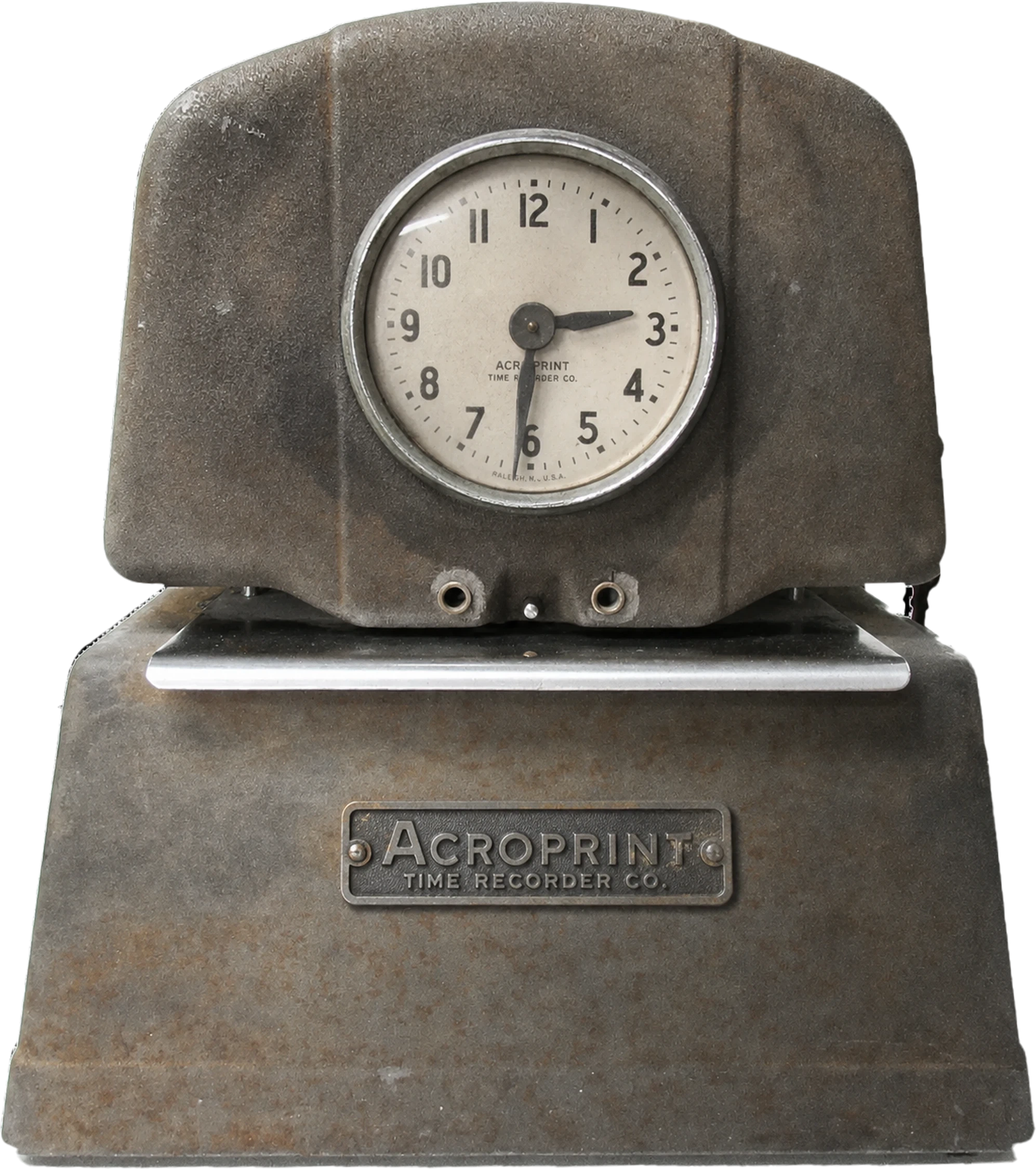
The machine customer has no patience
 Deepanshu Pal
AI shopping agents do not browse, linger or forgive. What a store looks like to a machine customer, and why speed and clarity decide who gets chosen.

A human shopper forgives a lot. A slow page, a confusing size chart, a popup that covers the price: people squint, scroll and keep going, because they already want the thing. A machine customer does not work that way. It has a task, a budget and a list of candidates, and it moves on the moment a store stops being easy to read.
What a machine customer actually does
An AI shopping agent starts with an intent: find a waterproof jacket under a given price that arrives by Friday. It then reads product pages, pulls out the facts it needs, compares them across merchants and, if it is allowed to, completes the checkout. Every one of those steps is a place where a store can lose the sale without ever knowing a customer was there.
The agent does not see your hero image or your brand story. It sees text, structured data, links and the order in which things load. A price that only appears after a script runs is, to many agents, a price that is not there.
Patience is a design constraint
When we say the machine customer has no patience, we mean something specific. Agents work within time and cost limits. Each extra page they must load, each ambiguous field they must interpret and each login wall they must get past costs them budget. Stores that spend less of that budget get considered. Stores that spend more get skipped in favor of a competitor that answers faster.
- Clear price, currency and availability in the first response, not behind interaction.
- One obvious path from product to cart to checkout.
- Policies for shipping and returns that can be read as plain statements.
- Consistent product identifiers so the same item can be recognized across sources.
Why this matters before the traffic shows up
Most stores will not see agent traffic as a separate line in their analytics for a while. That is exactly why it is easy to ignore. The merchants who treat agent readiness as a measurable property now, the way they once treated mobile speed, will be the ones an agent can complete a purchase with later.
This is the question Machine Commerce works on: how do you tell whether a machine can actually buy from your store, and what do you change if it cannot? We think the answer should be measured, not marketed.
A read-through you can do now
Take your best-selling product page and read it in the order a machine would. The order is not the order on screen.
First comes the raw text of the page as it loads, before any script runs. Next come the structured data blocks, if there are any. Then come the links the page offers: add to cart, shipping, returns.
At each point ask one question: could I make a decision with only this? If the price appears only after a script runs, the first response has no price. If shipping appears only after a postcode is typed, the agent has to guess or skip. These are small things. They are also exactly where an agent decides to move on.
What patience costs
The cost of an agent's patience is not time. It is the probability that the task finishes. Every extra step is another place the agent can fail, and failures stack. A path with two steps has fewer ways to break than a path with six.
That is why a short, boring path from product to checkout is a strategic asset. It is easy to build and hard for competitors to see.
Measure it before you argue about it
Opinions on how patient agents are will vary. The way to settle it for your store is to run one through and watch where it gives up. The trace is the evidence, and it points to what to fix.
Where to start
Open your own best-selling product page and read it as a machine would. Strip the styling. Is the price there? The stock status? The shipping cost? If you have to guess, so will an agent. Fix what you would have to guess, then test again.
The machine customer.
Commerce has a new reader. What changes when that reader can buy?
Read the manifesto